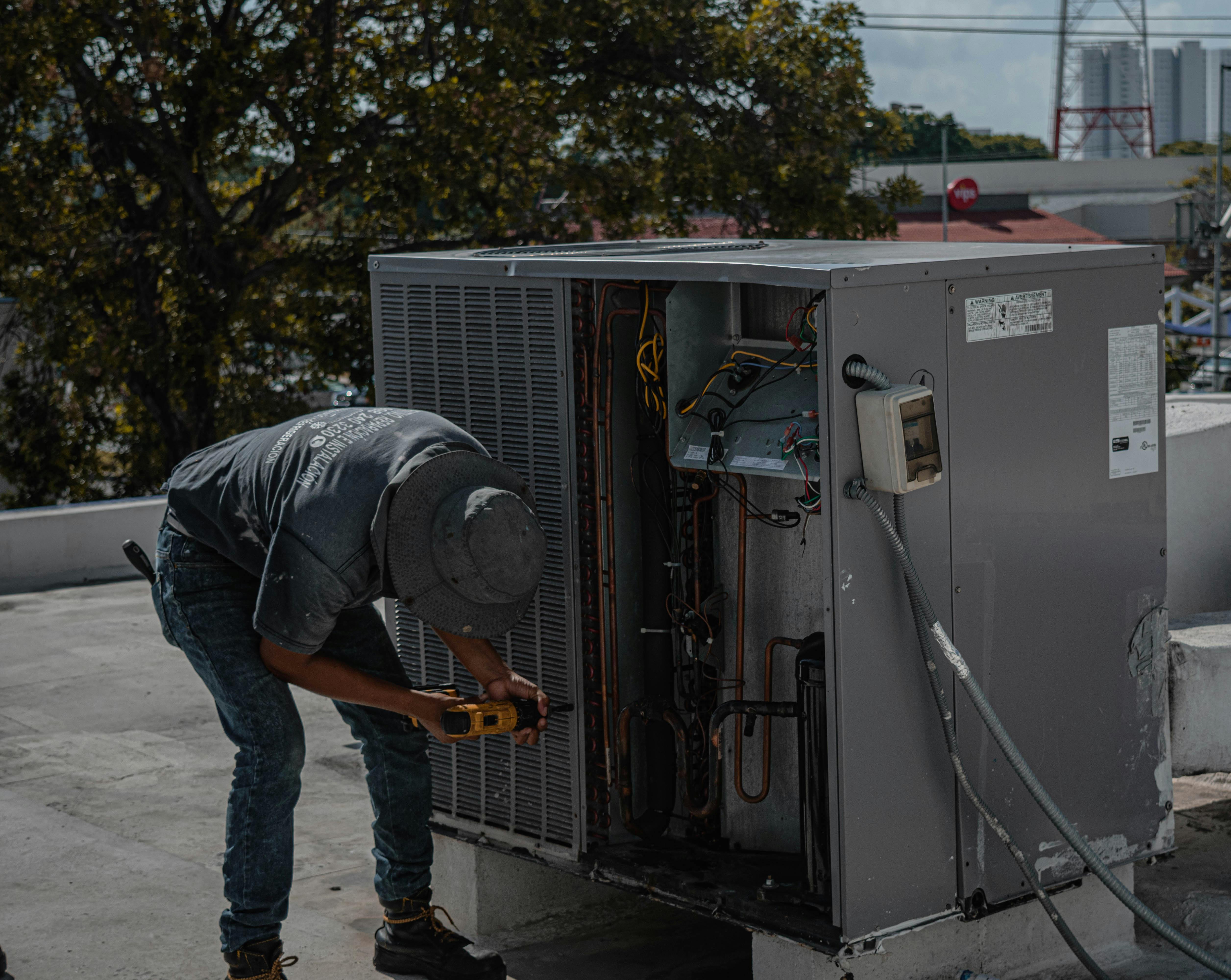
Understanding Your HVAC System: A Homeowner's Guide
For homeowners in Matthews, North Carolina, understanding the basics of your HVAC system can be incredibly valuable. Not only can it help you maintain comfort in your home, but it can also save you money and avoid unnecessary repair calls. In this guide, we'll explain core concepts in simple terms to help you become more familiar with your system.
What Is an HVAC System?
The term HVAC stands for Heating, Ventilation, and Air Conditioning. It's a comprehensive system responsible for keeping your home comfortable year-round by managing temperature, humidity, and air quality. Let's break down each component:
Heating
The heating component of an HVAC system typically involves a furnace or heat pump. In Matthews, where winters can be chilly but not extreme, heat pumps are popular due to their efficiency in mild climates. A furnace, on the other hand, uses gas or electricity to generate heat, which is then distributed throughout your home via ducts.
Ventilation
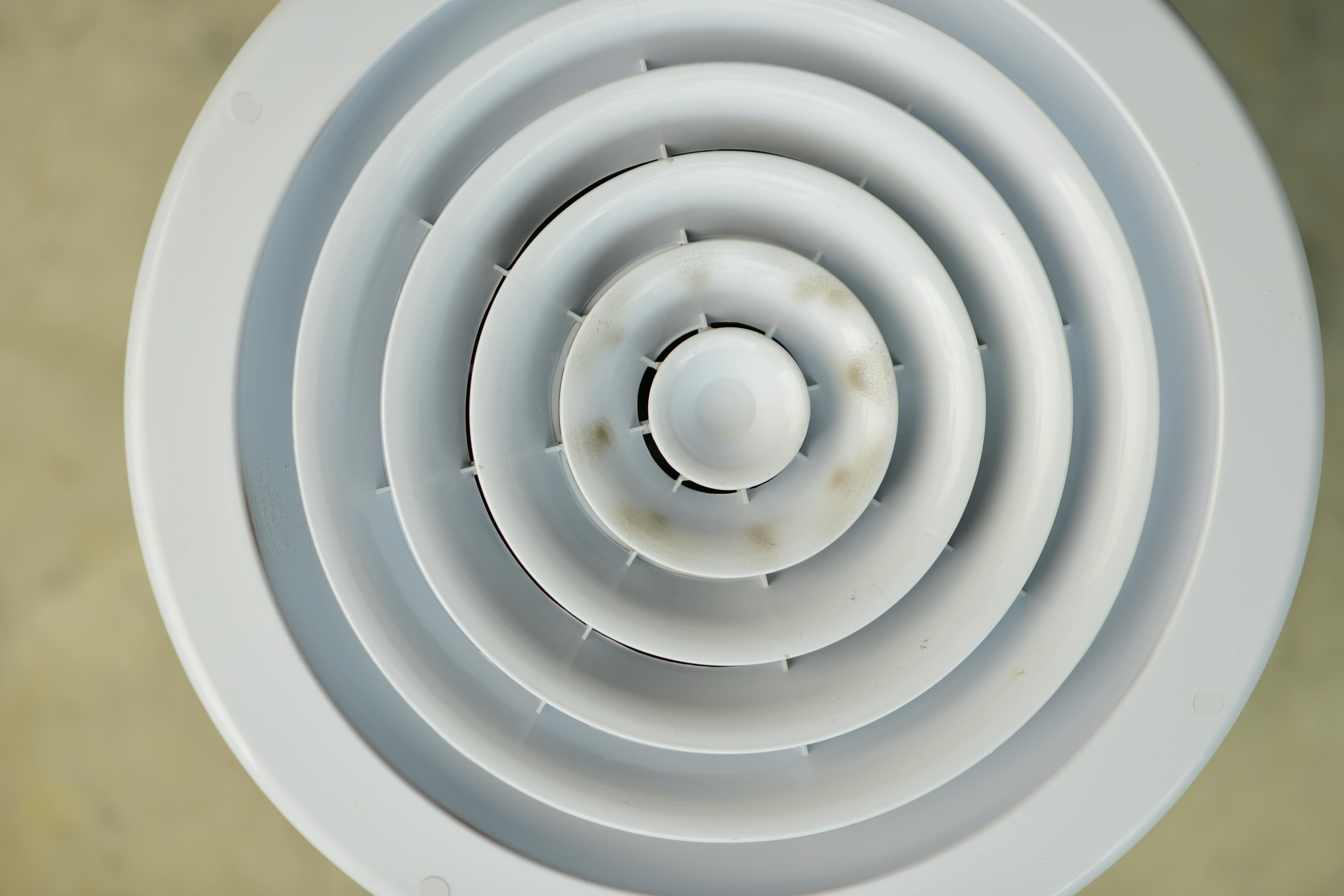
Ventilation is the process of moving air in and out of your home to improve air quality. It involves fans, ducts, and filters that circulate air, removing pollutants and maintaining a healthy environment. Good ventilation is crucial in humid climates like North Carolina to prevent mold and mildew.
Air Conditioning
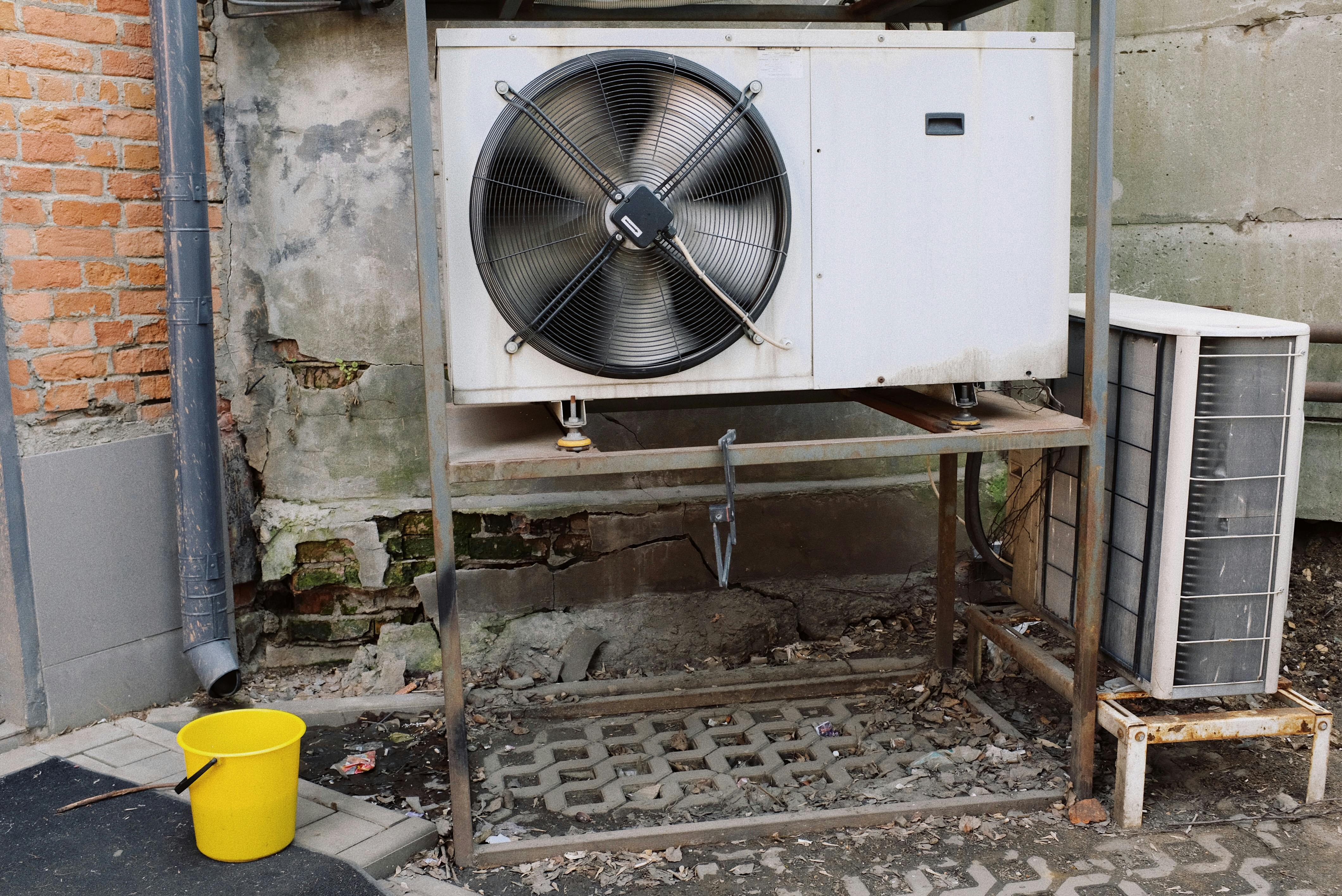
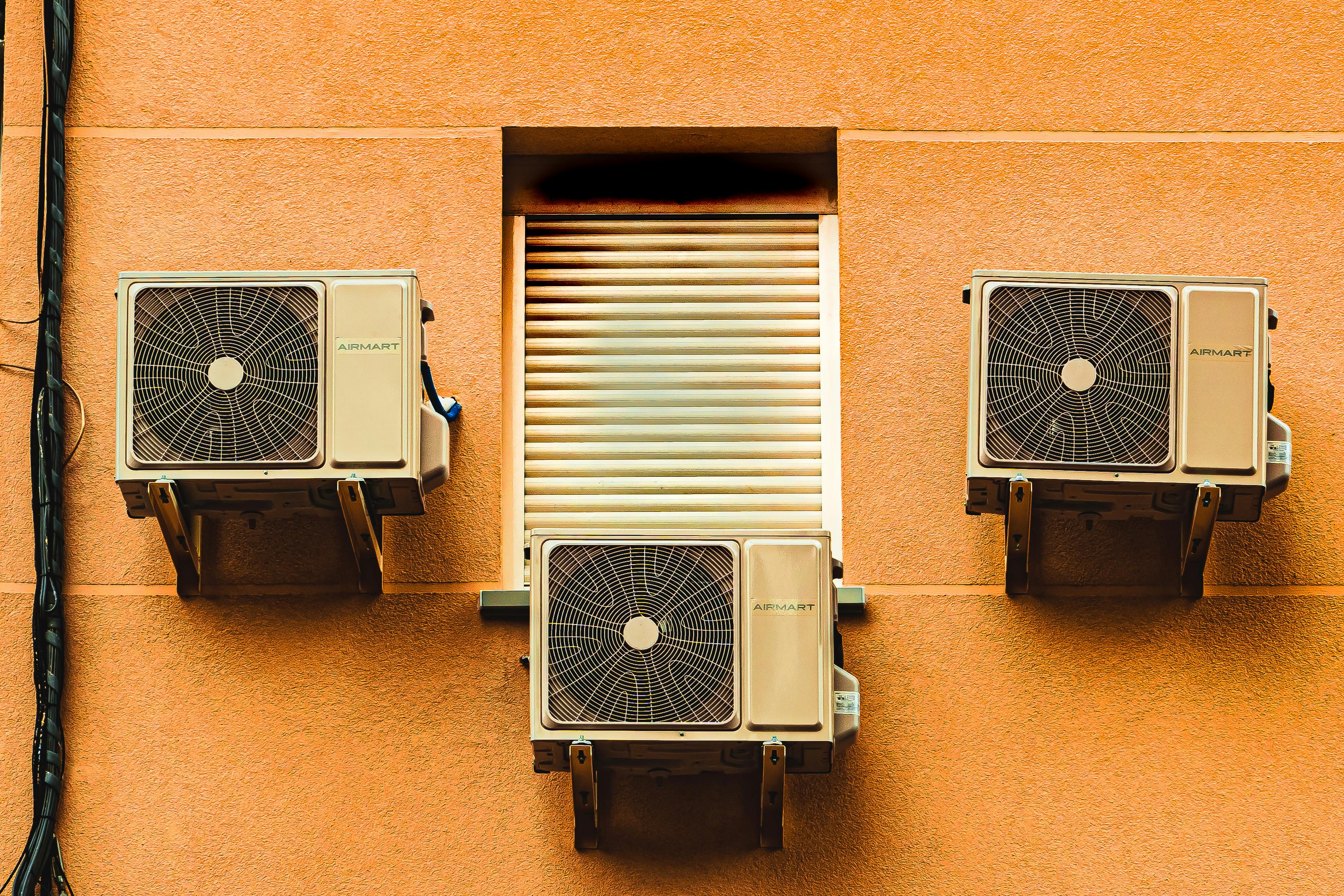
Air conditioning systems cool your home during the hot summer months. They work by extracting heat from the indoor air and releasing it outside. There are several types of air conditioning systems, including central air conditioners and ductless mini-splits, each suited for different needs and home layouts.
Common HVAC Terms Explained
Navigating the world of HVAC can be daunting with all its technical jargon. Here's a breakdown of some common terms:
- Thermostat: A device that lets you control the temperature in your home. Modern thermostats can be programmable or smart, allowing for remote access and efficiency scheduling.
- SEER Rating: Stands for Seasonal Energy Efficiency Ratio, a measure of an air conditioner's cooling efficiency. A higher SEER rating means better efficiency.
- BTU: British Thermal Unit, a unit of measurement for heat. It indicates the amount of heat an HVAC system can remove or add per hour.
- Refrigerant: A chemical compound used in air conditioning systems to absorb and release heat during the cooling cycle.
- Air Filters: Devices that trap dust and allergens from the air before it circulates through your home. Regular replacement is key to maintaining air quality.
Why Understanding HVAC Matters
As a homeowner, understanding your HVAC system can help you spot potential problems early, communicate better with technicians, and make informed decisions about upgrades or replacements. For example, knowing what a SEER rating is can guide you in choosing a more energy-efficient air conditioner, leading to lower utility bills.
Maintenance Tips for Homeowners
Regular maintenance is crucial to keep your HVAC system running efficiently. Here are some simple tips:
- Change Your Air Filters: Replace them every 1-3 months to ensure good air quality and system performance.
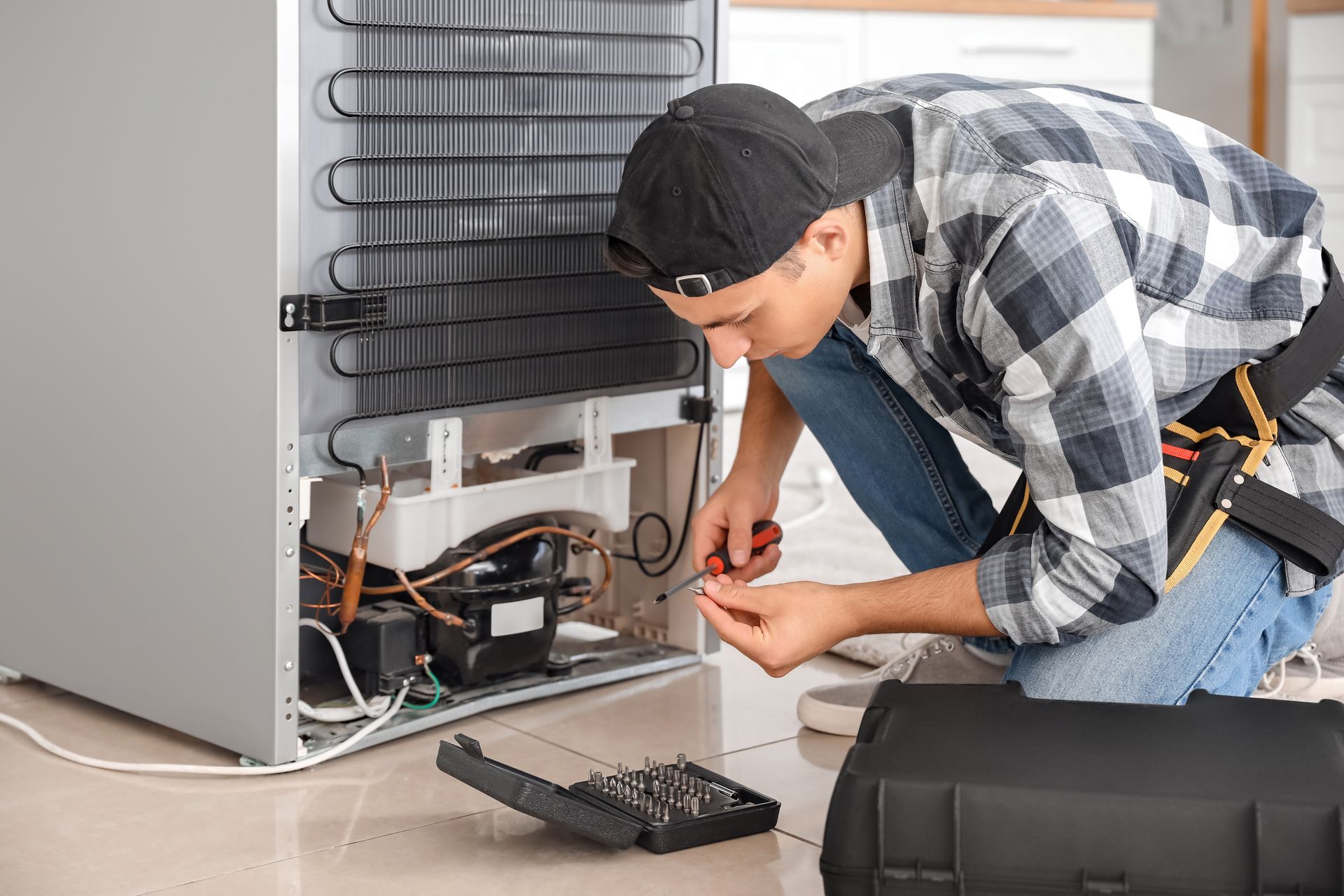
- Schedule Annual Inspections: Have a professional inspect your system yearly to identify and fix issues before they become major problems.
- Clean Your Ducts: Ensure your air ducts are clean and unobstructed for optimal air flow and efficiency.
- Check Thermostat Settings: Use programmed settings to maximize efficiency and comfort.
When to Call a Professional
While understanding the basics is helpful, some issues require professional expertise. Call a technician if you experience the following:
- Inconsistent Temperatures: If some rooms are hotter or colder than others, it may indicate a problem with ductwork or the system itself.
- Strange Noises: Unusual sounds like banging or squealing can signify mechanical issues.
- High Energy Bills: A sudden spike in energy costs may indicate inefficiency or a malfunctioning component.
Conclusion
Understanding your HVAC system can empower you as a homeowner in Matthews, NC. With this knowledge, you can maintain a comfortable home environment, save on energy costs, and know when to seek professional help. For any complex issues or regular maintenance needs, contact A Tech Repair for expert assistance tailored to your local climate and home conditions.